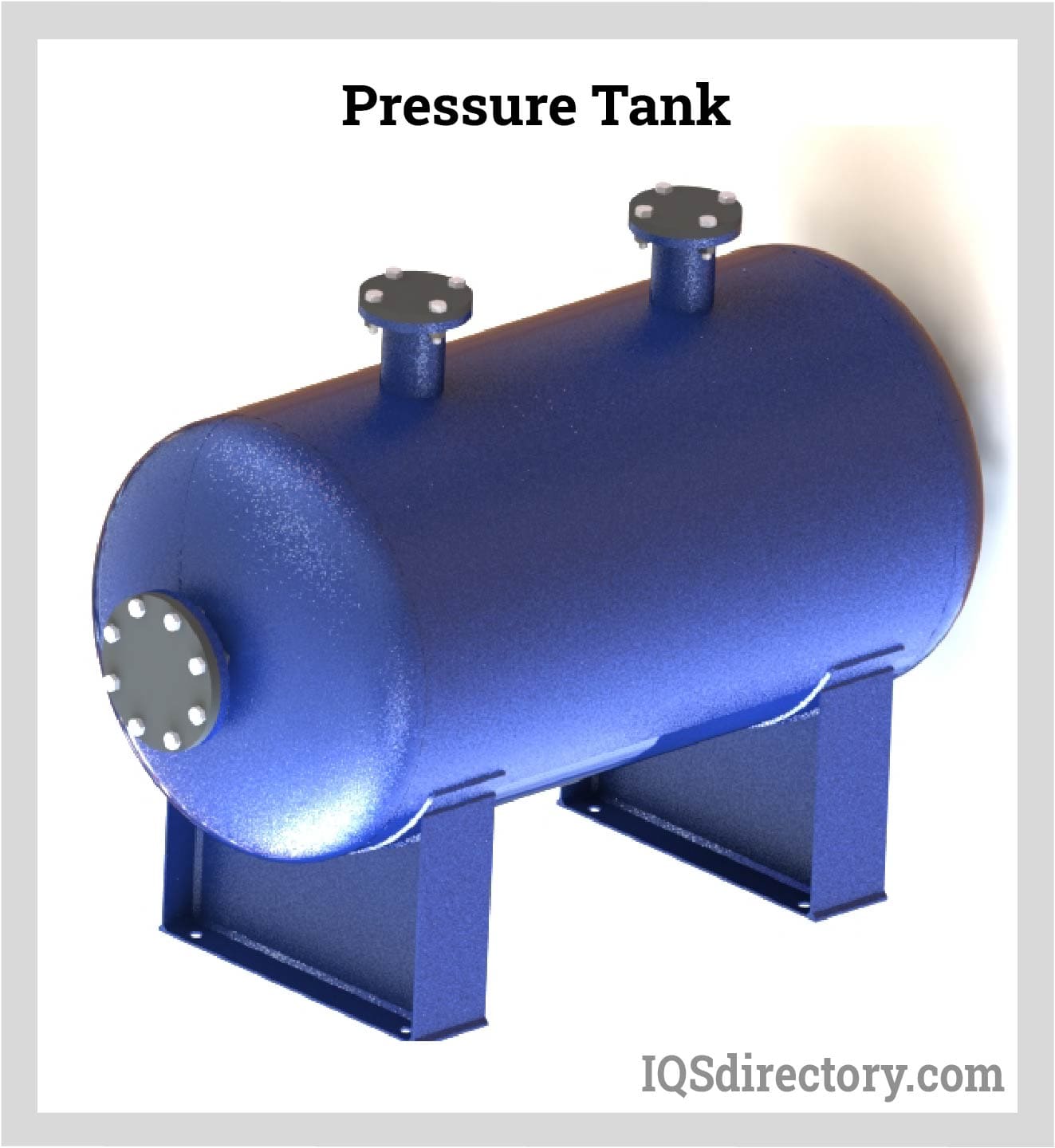
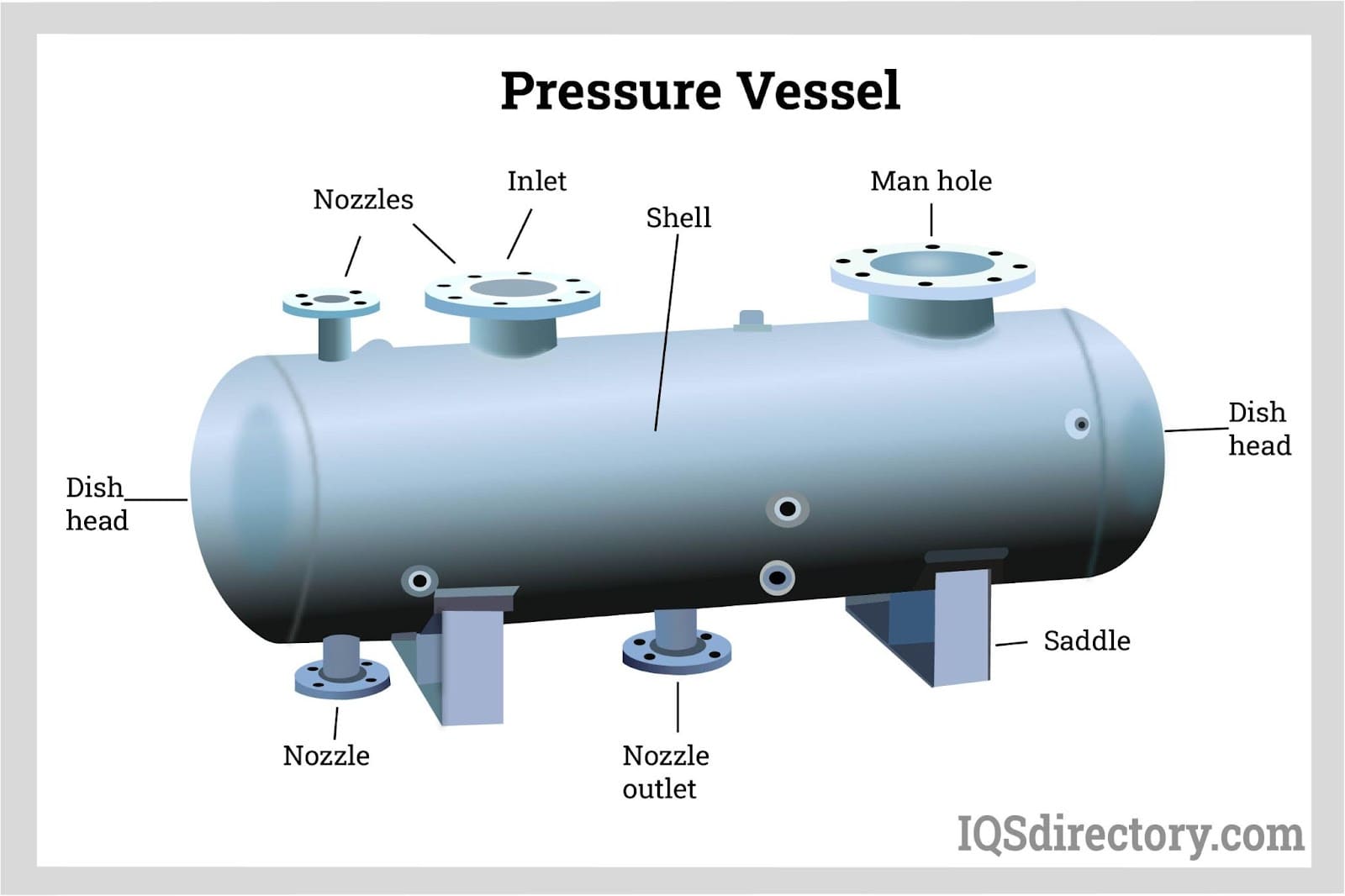
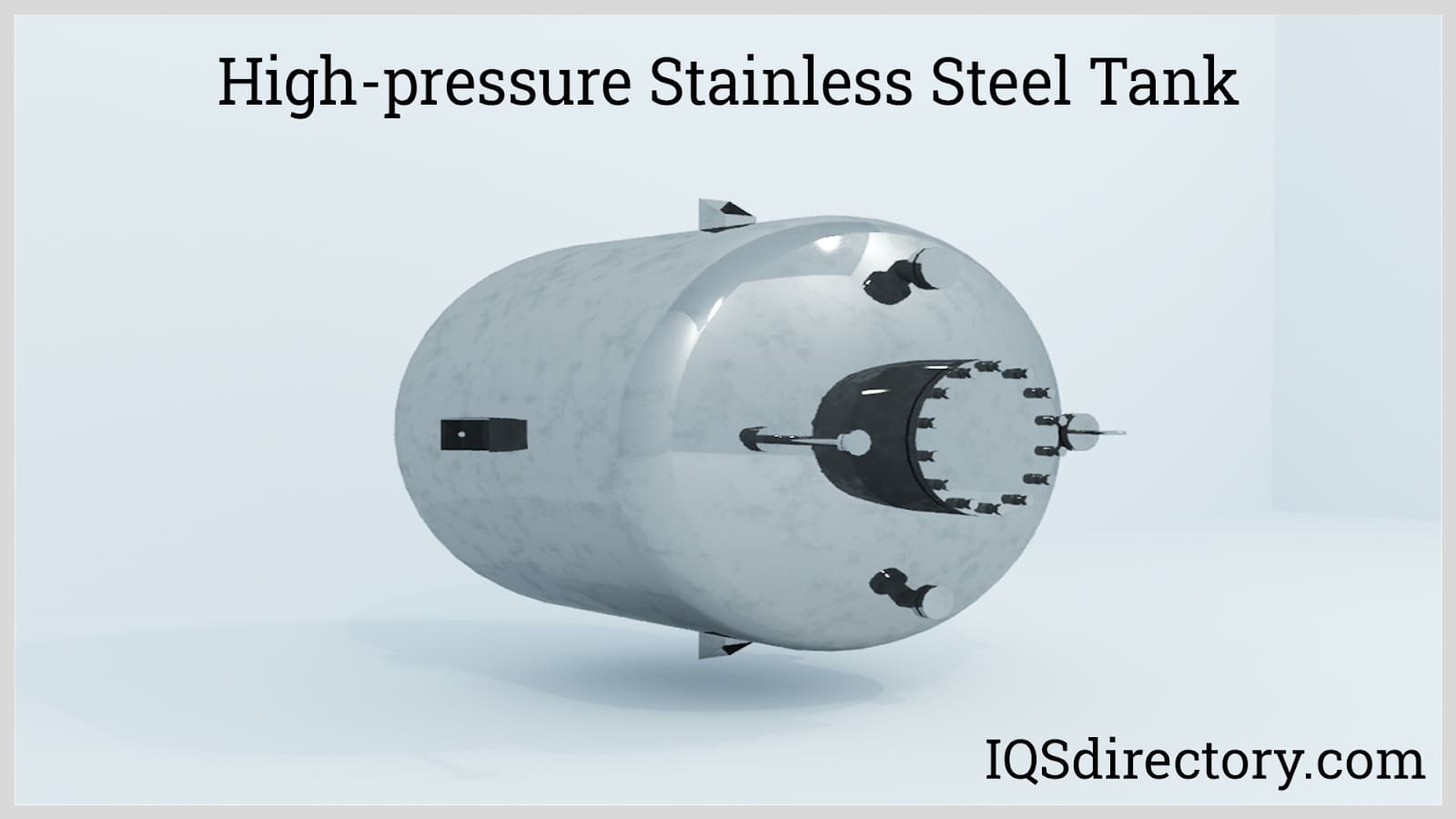
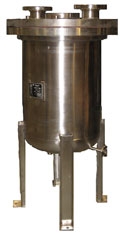
Pressure tanks are containers that hold gases, vapors, and fluids at high pressures. They are used in many industrial applications for chemical, pharmaceutical, food and beverage, recreational and oil and fuel processes, and they are also often found in conjunction with well systems that supply water to residential homes or buildings. Read More…
If you are looking for innovative pressure vessels, you’ve come to the right place! We actively manage your project every step of the way. We keep you informed of what we are doing to ensure we keep up to your standards and delivery times.
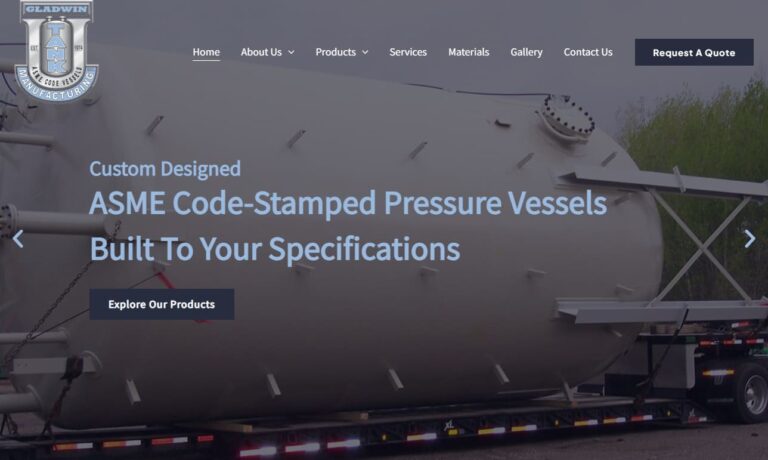
Gladwin Tank Manufacturing builds custom ASME pressure vessels. We work with stainless, carbon, duplex and the nickel alloys and offer custom rolling, plasma, and water jet cutting. Paired with our expertise in multiple welding procedures, we’re capable of handling every project, large and small. Contact us for your custom build requirements. We are more than just pressure vessels, we...
Rexarc’s focus is on the fabrication of custom stainless and carbon steel pressure vessels. We welcome applications with pressures between 500 and 5,000 psi. After nearly 100-years of being in business, Rexarc has the knowledge, attitude, equipment, and processes to support your needs in vessel production and value add services of piping, instrumentation, paint, and other controls...
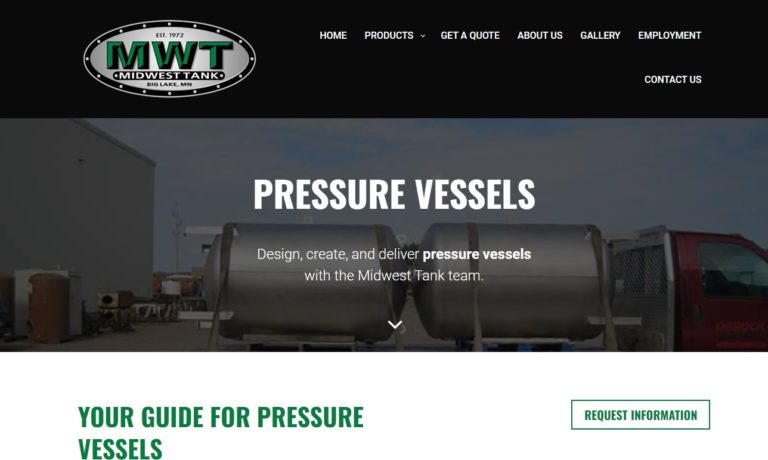
Midwest Tank Company has provided quality tanks to small and large corporations and contractors since 1972. Our reputation is built on exceptional services and customer satisfaction! Our fabrication techniques have been developed through years of tank specialization, combined with personnel who are experienced in all phases of our operation.
Vector Systems, Inc. is a leading provider of Process Control Equipment, specializing in comprehensive solutions for the Chemical, Power Generation, and other Industrial sectors. With a strategic focus on innovation and reliability, Vector Systems has become a trusted partner, offering a wide range of products and services tailored to the unique needs of demanding industries.



More Pressure Tank Manufacturers

Comprehensive Guide to Pressure Tanks: Types, Applications, and Buying Considerations
Pressure tanks, also referred to as pressure vessels, are essential components in various industrial, commercial, and residential systems. They are specifically engineered to store and regulate fluids—such as water, air, or gases—under pressure, ensuring stable performance and safety in a wide range of applications. Whether you are seeking a well pressure tank for your home, a robust industrial pressure vessel for your facility, or a specialized chemical storage tank, understanding the different types, uses, and selection criteria is critical to making the right investment.
Types of Pressure Tanks
Pressure tanks come in several designs, each tailored to specific requirements and industry standards. Selecting the right type of pressure tank involves considering factors such as capacity, pressure rating, material, and intended use. Below, we outline the most common types of pressure tanks and their unique characteristics to help you determine the ideal solution for your needs.
Well Pressure Tank
A well pressure tank is commonly found in residential water systems that use well water. Inside, there is water stored at the bottom of the tank and compressed air above it. When a faucet is opened, the compressed air applies pressure to the water, pushing it through the pipes to supply water on demand. As the tank is emptied, the pressure drops, triggering the pump to refill the tank from the well. As the water level rises, the air becomes more compressed, and the pump automatically shuts off at a maximum pressure—typically between 50 and 60 psi.
Well pressure tanks are critical for maintaining consistent water pressure, reducing pump cycling, and extending pump life. They are used in domestic, agricultural, and light commercial water systems where reliable and efficient water supply is crucial.

Bladder Pressure Tank
Bladder pressure tanks feature an internal flexible bladder that separates the water from the compressed air chamber. The bladder acts as a balloon that expands as water fills the tank and contracts as water is drawn out. This design ensures that air and water do not mix, preventing air absorption into the water and minimizing the need for air recharging.
Bladder pressure tanks are widely used in water well systems, irrigation setups, and booster pump applications. Their robust construction and reduced risk of air charge loss make them a preferred choice for homeowners and facility managers seeking long-lasting, low-maintenance pressure vessel solutions. If you are comparing bladder vs. diaphragm pressure tanks, you may wonder: Which pressure tank type offers the best durability and efficiency for home water systems? Bladder tanks often provide superior longevity due to fewer internal moving parts.
Diaphragm Pressure Tank
A diaphragm pressure tank contains a rubber diaphragm that separates the water chamber from the compressed air chamber. As water fills the tank, the diaphragm flexes upward, increasing pressure until the pump switches off. These tanks are prized for their ability to maintain stable water pressure and for their compact size, which makes them suitable for smaller installations.
However, potential drawbacks include diaphragm separation or folding, which can cause a sharp drop in water pressure and potentially result in the pump running continuously. Proper installation, regular inspection, and maintenance are key to prolonging the tank’s service life. If you're troubleshooting reduced water pressure or excessive pump cycling, consider checking the condition of your diaphragm tank.
Air-Over Water Pressure Tank
In an air-over-water pressure tank, both air and water are stored in a single compartment without any physical separator. These tanks are typically made from galvanized steel and may feature glass or epoxy linings to resist corrosion. While air-over-water tanks were once common, they are less favored today due to increased pump cycling and reduced capacity (since air and water freely mix).
Despite their larger size, air-over-water tanks often perform like smaller tanks, requiring the pump to operate more frequently and potentially reducing pump lifespan. However, these tanks may still be used in older water systems, fire suppression setups, or applications where simplicity and low upfront cost are prioritized.

Specialty and Industrial Pressure Vessels
Beyond standard residential and commercial pressure tanks, the industrial sector relies on a wide array of specialty industrial pressure vessels for demanding applications. These include hydropneumatic tanks, ASME pressure vessels, expansion tanks, and chemical storage tanks. Each vessel is built to specific codes and standards (such as ASME Boiler & Pressure Vessel Code) to ensure safety, reliability, and compliance with regulatory requirements.
Industrial pressure tanks are used for storing compressed air, industrial gases (such as nitrogen, oxygen, or hydrogen), chemicals, steam, and hot water in sectors ranging from energy and petrochemical to food processing and pharmaceuticals. Need help selecting or sizing an industrial pressure vessel? What are the key considerations when specifying a pressure tank for industrial applications? Be sure to evaluate material compatibility, pressure rating, volume, corrosion resistance, and certification needs.
Advantages of Pressure Tanks
Pressure tanks offer a wide range of benefits, making them indispensable in both domestic and industrial environments. Here are some of the primary advantages of using pressure tanks:
- Stable Water Pressure: Pressure tanks deliver consistent water pressure to fixtures and appliances, enhancing comfort and system efficiency in homes, businesses, and agricultural operations.
- Extended Pump Life: By minimizing pump cycling, pressure tanks reduce wear and tear on water pumps, leading to lower maintenance costs and longer equipment lifespan.
- Energy Efficiency: Efficient pressure tank systems optimize pump operation, reducing energy consumption and operational expenses over time.
- Safety in Hazardous Environments: In industries like nuclear power and mining, specialized pressure tanks safely store liquid gases and flammable chemicals, protecting personnel and property.
- Versatile Fluid Storage: From water heating and distillation to chemical processing and compressed air systems, pressure tanks provide reliable containment for a variety of liquids and gases.
- Shock Absorption: Pressure vessels dampen hydraulic shocks and pressure surges, safeguarding plumbing systems and sensitive equipment.
How Do Pressure Tanks Improve System Reliability?
By maintaining a reservoir of pressurized water or gas, pressure tanks buffer fluctuations in supply and demand. This ensures steady performance in water distribution, fire protection, and industrial processes. For more information on how pressure tanks contribute to system reliability, explore their diverse applications below.
Applications of Pressure Tanks
Pressure tanks are utilized in countless applications across multiple industries. Understanding where and how they are used can help you determine the best pressure tank configuration for your project or facility. Below are some of the most common and critical uses:
- Water Supply Systems: Residential, commercial, and municipal water systems use pressure tanks to maintain steady water pressure and efficient distribution.
- Irrigation: Pressure tanks support agricultural irrigation by stabilizing flow rates and reducing pump cycling.
- HVAC and Thermal Systems: Expansion tanks and hydropneumatic vessels regulate pressure in heating, cooling, and solar thermal systems.
- Chemical Processing: The chemical industry utilizes pressure tanks to conduct chemical reactions, store aggressive or corrosive fluids, and manage process gases. Many plants employ multiple pressure vessel types simultaneously to optimize processes.
- Energy Sector and Power Plants: The energy industry, including nuclear, gas, and renewable sectors, deploys pressure tanks to limit hazardous gases, regulate steam, and ensure safe operation of critical systems. Reactor Pressure Vessels (RPVs) are specialized tanks used in nuclear power plants to contain reactor cores and manage high-pressure coolant.
- Compressed Air and Gas Storage: Industrial facilities use air receiver tanks and gas cylinders to store and regulate compressed air and industrial gases for manufacturing, pneumatic tools, and automation.
- Fire Protection: Pressure tanks serve as water reservoirs in fire sprinkler and suppression systems, ensuring rapid response in emergencies.
- Food & Beverage Processing: Hygienic pressure vessels provide sterile storage and process control for beverages, dairy, and food products.
- Pharmaceutical & Biotech: Specialized pressure tanks are used to store, transport, and process sensitive chemicals and biologics under controlled conditions.
- Mining & Oil/Gas: Pressure tanks are crucial for slurry transport, gas injection, and hazardous material containment in mining and oilfield operations.
What Size Pressure Tank Do You Need?
Sizing a pressure tank depends on factors such as system flow rate, pump capacity, pressure range, and application-specific needs. For example, residential well systems typically require tanks with a drawdown capacity matched to household water usage, while industrial processes may demand custom-engineered vessels. How can you calculate the optimal pressure tank size for your system? Consult with a pressure tank supplier or use online calculators to estimate the correct volume and pressure rating for your installation.
Materials, Standards, and Safety Considerations for Pressure Tanks
The choice of material and adherence to industry standards are critical factors in pressure tank design and selection. Common materials include carbon steel, stainless steel, fiberglass-reinforced plastic (FRP), and, for certain applications, lined steel or composite materials. Your selection should consider fluid compatibility, corrosion resistance, pressure and temperature limits, and compliance with standards such as ASME, API, and ISO.
Are you searching for ASME-certified pressure tanks or custom-engineered vessels? Working with an experienced pressure tank manufacturer ensures your vessel meets regulatory, safety, and performance requirements. Regular inspections, pressure testing, and maintenance are essential to ensure long-term reliability and compliance.
Choosing the Right Pressure Tank Company
Selecting a reliable pressure tank supplier or manufacturer is vital to the success of your project. Here are step-by-step tips and decision factors to help you identify the best partner for your needs:
- Define Your Requirements: Specify pressure range, volume, application, material, and certification needs (such as ASME or NSF) before starting your search.
- Research and Compare Suppliers: Use our pressure tank directory to compare at least five reputable companies. Review each supplier’s business profile, experience, product range, and industry certifications.
- Assess Technical Capabilities: Evaluate whether the manufacturer offers custom fabrication, engineering support, and after-sales service for specialized or large-scale projects.
- Request Quotes and Information: Contact suppliers directly via their profile pages to ask about lead times, pricing, warranty, and support. Use our streamlined RFQ (Request for Quote) form to quickly reach multiple companies with your specifications.
- Preview Company Websites: Take advantage of our proprietary website previewer to get an overview of each supplier’s specialties, client testimonials, and project case studies.
- Verify Quality and Compliance: Ensure the company’s pressure tanks are manufactured to recognized standards and backed by quality assurance processes.
Are you ready to request a quote or need technical assistance? Use our simple RFQ form to contact multiple pressure tank companies at once and streamline your purchasing process.
Frequently Asked Questions About Pressure Tanks
What is the difference between a pressure tank and a pressure vessel?
While the terms are often used interchangeably, “pressure vessel” is a broader term that includes all containers designed to hold fluids under pressure, including pressure tanks. Pressure tanks typically refer to vessels used for water supply, HVAC, or compressed air, while pressure vessels encompass a wider range of industrial and specialized equipment.
How often should pressure tanks be inspected or maintained?
Regular inspection and maintenance are critical to ensuring pressure tank safety and performance. Residential tanks should be checked annually for leaks, pressure loss, and bladder or diaphragm integrity. Industrial tanks may require more frequent inspections and pressure testing according to regulatory standards.
Can pressure tanks be customized for unique applications?
Yes, many manufacturers offer custom pressure vessel fabrication, including unique sizes, materials, linings, and accessories for specialized uses such as high-pressure gas storage, chemical containment, or sanitary processing.
What are the signs of pressure tank failure?
Common indicators include fluctuating water pressure, frequent pump cycling, visible corrosion, leaks, or a waterlogged tank. Immediate attention is needed to prevent system damage and safety hazards.
Where can I find reputable pressure tank manufacturers and suppliers?
Start with our pressure tank company directory for vetted suppliers, or submit an RFQ to receive competitive quotes and technical advice tailored to your application.
Conclusion: Find the Best Pressure Tank Solution for Your Needs
Whether you need a well water tank for residential use, an industrial pressure vessel for manufacturing, or a specialized chemical storage solution, choosing the right pressure tank is essential for safety, efficiency, and long-term value. Consider your application requirements, system specifications, and regulatory standards when evaluating options—and always work with experienced suppliers for peace of mind. Ready to get started? Explore our directory of trusted pressure tank companies or use our RFQ form to request quick, competitive quotes from top industry suppliers.
Still have questions on pressure tanks, industrial pressure vessels, or water system solutions? Search our knowledge base or contact our expert team for personalized assistance.